
Your Scalp Environment Might Be Blocking Hair Growth
Most people focus on one thing when they start losing hair:
Growth.
They look for oils, treatments, supplements. Anything that promises to bring hair back.
But there’s a step most people skip entirely.
Your scalp.
Because if your scalp environment isn’t healthy, hair growth becomes a lot harder no matter what you use.
Hair Doesn’t Grow From Your Hair. It Grows From Your Scalp
Every strand of hair starts at the follicle beneath your scalp.
That follicle depends on a few key conditions:
-
Balanced oil production
-
Healthy circulation
-
Clear, unclogged follicles
-
A calm, non-irritated surface
When those conditions are off, the follicle may struggle to stay in the growth phase.
This doesn’t always mean permanent hair loss.
Sometimes it just means your scalp is working against you.
What an Unhealthy Scalp Environment Looks Like
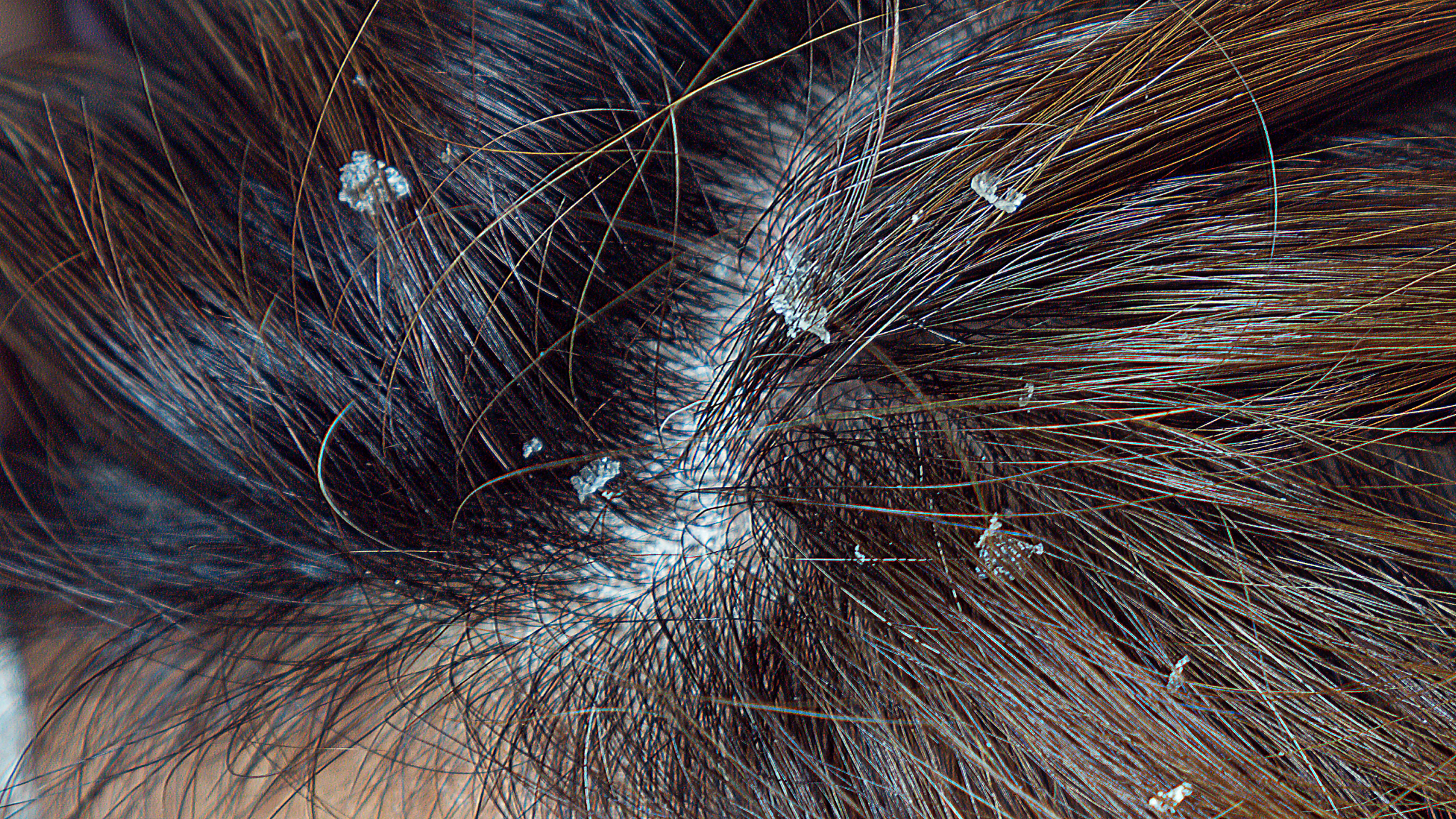
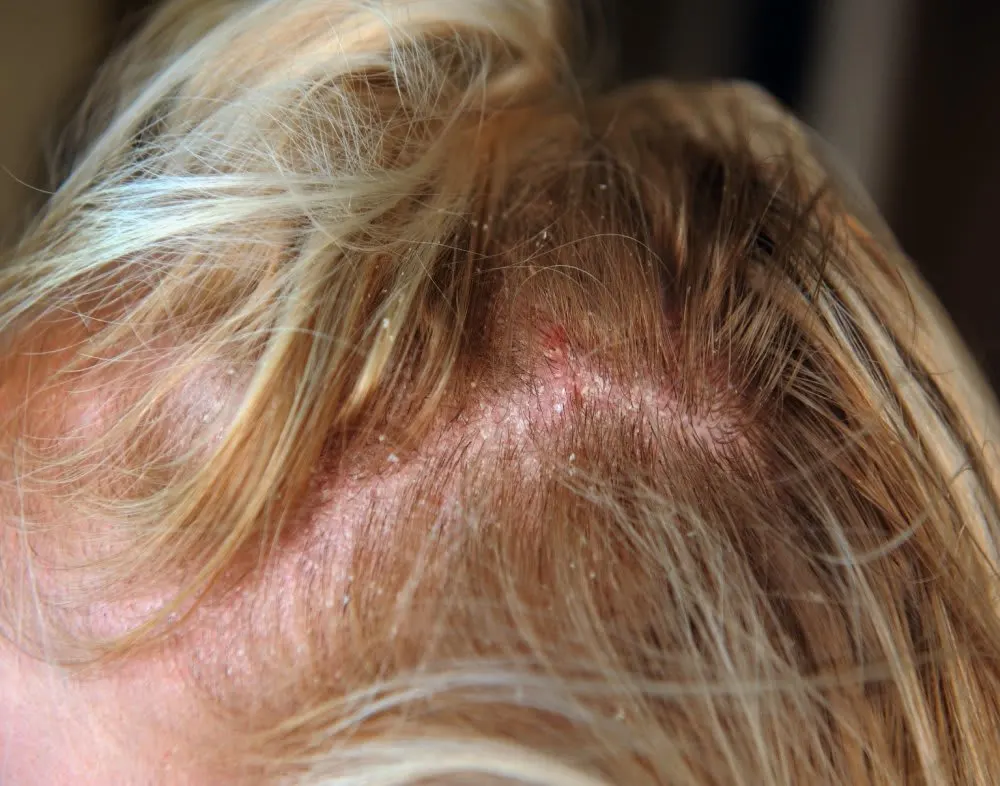
Most scalp issues are subtle at first.
You might notice:
-
Dryness or flaking
-
Excess oil or buildup
-
Itchiness or sensitivity
-
Hair that feels thinner over time
These are signals that your scalp environment may be out of balance.
And when that happens, follicles don’t always perform the way they should.
The 3 Hidden Factors That Affect Your Scalp
1. Buildup That Blocks the Follicle
Hair products, natural oils, sweat, and environmental debris can all accumulate over time.
If that buildup isn’t properly removed, it can:
-
Sit on top of the scalp
-
Interfere with oil absorption
-
Create an environment that feels heavy or congested
This doesn’t mean oils are bad.
It means the scalp needs to be properly cleansed to stay receptive.
2. Imbalanced Oil Production
Your scalp naturally produces sebum.
Too little can lead to dryness and irritation.
Too much can lead to buildup and clogged follicles.
The goal is balance.
This is where certain oils may help support a healthier scalp environment. For example, jojoba oil is often used because it closely resembles natural sebum, which may help regulate the scalp over time.
3. Poor Circulation at the Scalp Level
Hair follicles rely on blood flow to deliver nutrients.
If circulation is limited, follicles may not get what they need to stay active in the growth phase.
This is one reason scalp massage is often recommended alongside topical routines.
It’s simple, but it matters.
Why “Growth Products” Sometimes Don’t Work
This is where things click for a lot of people.
You can use a high-quality product…
But if your scalp is:
-
Covered in buildup
-
Out of balance
-
Not being stimulated
You may not see the results you’re expecting.
It’s not always the product.
Sometimes it’s the environment you’re applying it to.
How to Improve Your Scalp Environment


You don’t need a complicated routine.
You need a consistent one.
1. Cleanse Your Scalp Properly
If you’re using oils, make sure you’re removing them fully.
A simple approach:
-
Shampoo once to break down oil
-
Shampoo again to cleanse the scalp
This helps prevent buildup from accumulating over time.
2. Use Oils With Intention
Applying oil is not about using more.
It’s about applying it correctly:
-
Directly to the scalp
-
In small, controlled amounts
-
Focused on the roots, not just the hair
3. Massage Your Scalp Regularly
Even a few minutes can make a difference.
This may help:
-
Distribute oil evenly
-
Support circulation
-
Loosen buildup at the surface
4. Keep Your Routine Consistent
The scalp responds over time, not overnight.
2 to 3 applications per week is a sustainable rhythm for most people.
Where Ingredient Quality Comes In
Once your scalp environment is in a better place, what you use starts to matter more.
A well-formulated oil should:
-
Be properly diluted
-
Include supportive carrier oils
-
Work with your scalp, not overwhelm it
For example, rosemary oil has been studied for its potential to support scalp health and may help support mechanisms associated with DHT.
When paired with oils like castor, jojoba, and coconut MCT, it can create a more balanced application that supports both scalp and hair.
If you’re interested in how formulation impacts results, you can read more here:
→ [What Makes a High-Quality Rosemary Hair Oil]
A Simple Way to Think About It
Hair growth is not just about adding something new. It’s about removing what’s getting in the way. A healthy scalp doesn’t guarantee results. But an unhealthy one can limit them.
If you’ve been consistent with your routine and not seeing progress, it might be worth stepping back and looking at your scalp first.
Because sometimes the difference isn’t what you’re using.
It’s what your scalp is ready to receive.
Our approach at Great Botanicals is built around this idea.
A balanced blend of rosemary, castor, jojoba, and coconut MCT oil designed to support the scalp environment first, so your routine has a better chance of working over time.
It's a formula meant to work with your scalp, not against it.